
Fort Denaud Brush Removal Services
Choose our expert brush removal services in Fort Denaud for fast, thorough clearing that enhances your property's safety, curb appeal, and value—handled by a trusted local team committed to your satisfaction.
Get a Free QuoteOur Fort Denaud Landscaping & Yard Care Services
When to Schedule Brush Removal in Fort Denaud, Florida – Seasonal Guide
In Fort Denaud, Florida, timing your brush removal is crucial for maintaining a healthy and attractive landscape. The region’s subtropical climate means that vegetation grows rapidly, especially during the warm, humid months. Optimal brush removal is typically scheduled in late winter or early spring, just after the last frost date and before the onset of the rainy season. This timing helps prevent regrowth and minimizes the risk of disturbing local wildlife habitats. Neighborhoods near the Caloosahatchee River and areas around Fort Denaud Bridge Park often experience dense undergrowth due to high humidity and fertile soils, making regular maintenance essential.
Local environmental factors such as drought risk in late spring, heavy summer rains, and varying shade coverage from mature oaks and palms all influence the best time for service. Soil types in Fort Denaud range from sandy loam to clay, affecting both brush density and removal techniques. Homeowners should also be aware of municipal guidelines and seasonal restrictions, which can be found on the official town website, to ensure compliance and protect native flora.
Benefits of Brush Removal in Fort Denaud

Enhanced Curb Appeal
Improved Property Safety
Reduced Fire Hazards
Healthier Plant Growth
Increased Usable Space
Professional and Efficient Service
Fort Denaud Brush Removal Types

Manual Brush Clearing
-
Mechanical Brush Removal
-
Selective Brush Cutting
-
Brush Mulching
-
Controlled Burning
-
Herbicide Application
-
Stump Grinding
Our Brush Removal Process
Site Evaluation
Safety Preparation
Brush Clearing
Debris Removal
Final Inspection
Why Choose Fort Denaud Landscape Services
Fort Denaud Homeowners Trust Us
-
Local Expertise
-
Reliable Lawn Maintenance
-
Competitive Pricing
-
Professional Team
-
Satisfaction Guarantee
-
Personalized Service
-
Prompt Response Times
Coordinating Brush Removal Through Hendry County Public Works in Fort Denaud
Fort Denaud is an unincorporated community within Hendry County, which means brush removal coordination falls under county-level departments rather than a municipal government. Residents and property managers should direct questions about vegetative debris collection, right-of-way clearance, and bulk brush disposal to Hendry County Public Works. Because Fort Denaud lacks its own municipal waste collection infrastructure, property owners are generally responsible for arranging private hauling or transporting brush to county-approved disposal sites. Before placing brush piles along road shoulders or within drainage easements, verify current county guidelines to avoid code enforcement action.
- Contact Hendry County Public Works to confirm accepted brush sizes, bundling requirements, and any scheduled collection events
- Brush placed in swales, canal banks, or drainage easements may obstruct stormwater flow and trigger enforcement under county code
- Commercial-scale clearing projects may require coordination with Hendry County Building and Code Enforcement to confirm whether site-work permits apply
- Property owners adjacent to the Caloosahatchee River corridor should confirm setback and buffer requirements before clearing vegetation
Hendry County Public Works
P.O. Box 2340, LaBelle, FL 33975
Official Website: Hendry County Public Works
How Fort Denaud's Subtropical Climate and Soil Conditions Affect Brush Accumulation
Fort Denaud sits within USDA Hardiness Zone 10a, in the inland subtropical corridor of South Florida along the Caloosahatchee River. This climate produces aggressive vegetative growth that directly influences brush removal frequency and complexity. Property owners should account for the following local conditions:
- Rapid wet-season growth: Fort Denaud receives approximately 50–55 inches of annual rainfall, with the majority falling between June and October. Brazilian pepper, earleaf acacia, melaleuca regrowth, and native understory species can produce dense brush accumulation within a single growing season.
- Sandy, poorly drained soils: Much of the Fort Denaud area features flatwoods and river-adjacent soils with high water tables, particularly during the wet season. Heavy equipment used for brush removal may cause rutting or compaction when soils are saturated.
- Caloosahatchee River proximity: Properties near the river or connected canal systems face heightened sensitivity around debris placement, as brush entering waterways can obstruct flow and degrade water quality. The Florida DEP NPDES Stormwater Program governs discharge protections relevant to these corridors.
- Fire risk in dry season: During the winter and early spring dry season, accumulated brush on rural and semi-rural lots increases wildfire exposure, a concern the Florida Forest Service County Forester program can help property owners evaluate.
Navigating Hendry County's Regulatory Framework for Brush Removal Compliance
Brush removal in Fort Denaud must comply with Hendry County land development regulations and applicable state environmental protections. Because the community includes parcels near wetlands, the Caloosahatchee River, and agricultural drainage canals, regulatory awareness is essential before clearing begins.
- Hendry County's code enforcement division addresses nuisance vegetation, overgrown lots, and debris accumulation that creates visibility hazards or fire risk; verify current thresholds with Hendry County Building and Code Enforcement
- Clearing brush within or adjacent to jurisdictional wetlands may trigger review under the Clean Water Act and require coordination with the South Florida Water Management District
- Open burning of brush piles in Hendry County requires authorization from the Florida Forest Service; burn permits are managed at the county forester level and are subject to seasonal restrictions and air quality conditions
- Any brush removal involving herbicide application to prevent regrowth of invasive species requires a valid applicator license through the FDACS Pesticide Applicator Certification program
Hendry County Building and Code Enforcement
P.O. Box 2340, LaBelle, FL 33975
Official Website: Hendry County Building and Code Enforcement
Timing and Methods for Professional Brush Removal in Fort Denaud's Climate
Effective brush removal in Fort Denaud requires careful timing around the region's pronounced wet and dry seasons, as well as adherence to professional standards that protect both the site and surrounding drainage infrastructure.
- Optimal timing: The late dry season (February through May) offers the most favorable ground conditions for brush removal, as lower water tables reduce soil saturation and allow equipment access without excessive rutting. Clearing during the wet season is feasible but may require erosion-control measures such as silt fencing or temporary stabilization.
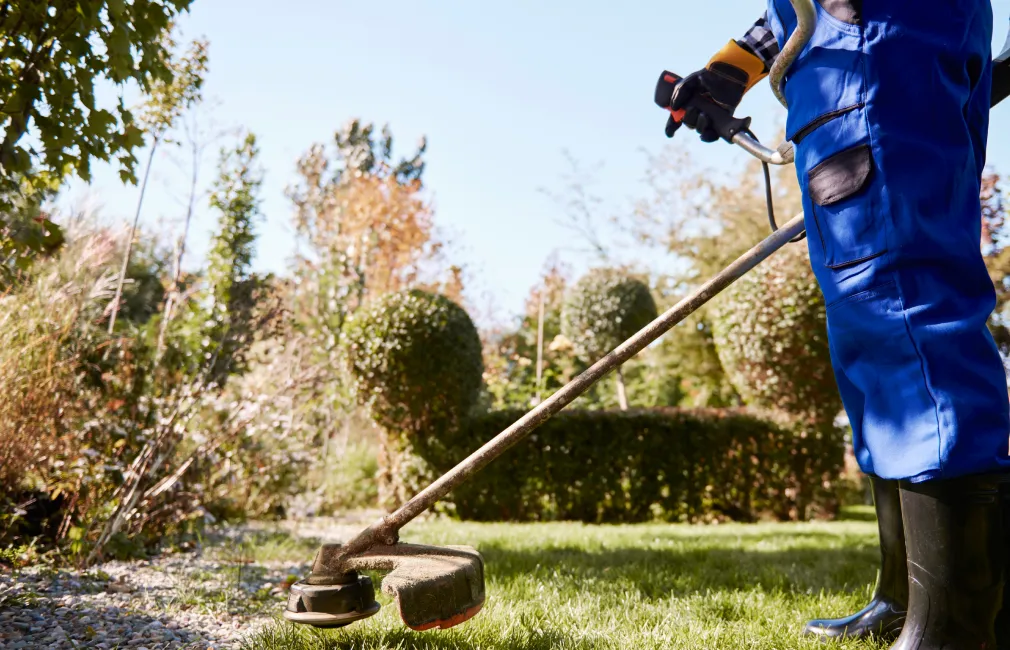
- Mechanical vs. manual methods: Dense brush on larger rural parcels is typically addressed with forestry mulchers, skid-steer attachments, or brush chippers. Smaller residential lots along the river corridor may require hand-clearing to protect root systems that stabilize canal banks and shorelines.
- Debris management: Cut brush should be chipped, hauled, or stacked in approved staging areas away from swales, canal edges, and drainage ditches. Leaving brush piles in low-lying areas can dam sheet flow during heavy rain events and redirect water toward structures or roadways.
- Post-removal stabilization: Bare ground exposed after brush clearing on sandy soils is vulnerable to erosion, particularly during summer thunderstorms. Applying mulch cover or establishing ground cover promptly helps protect Florida's water resources from sediment-laden runoff.
Florida Forest Service – County Forester Directory
Official Website: Florida County Forester Directory
What Neighborhoods Do We Serve Throughout Fort Denaud, FL?
- Fort Denaud proper: The historic core along the Caloosahatchee River features older homesteads with mature live oaks, cabbage palms, and dense understory brush that requires periodic clearing to maintain access and reduce fire risk.
- Riverside Estates area: Properties along CR 78 near the river often include canal-adjacent lots where brush removal must account for bank stabilization and drainage easement restrictions.
- Palmdale Highway corridor: Semi-rural parcels along SR 29 south of Fort Denaud feature mixed pasture and wooded edges where Brazilian pepper and melaleuca regrowth demand regular brush management.
- North LaBelle fringe: Transitional lots between Fort Denaud and LaBelle frequently include fill-graded subdivisions where brush encroachment along property lines and swale edges affects drainage performance.
- Caloosahatchee River ranchettes: Larger acreage tracts west of the Fort Denaud bridge include wooded fence lines and canal buffers where mechanical brush clearing is the most practical approach given lot scale and access constraints.