
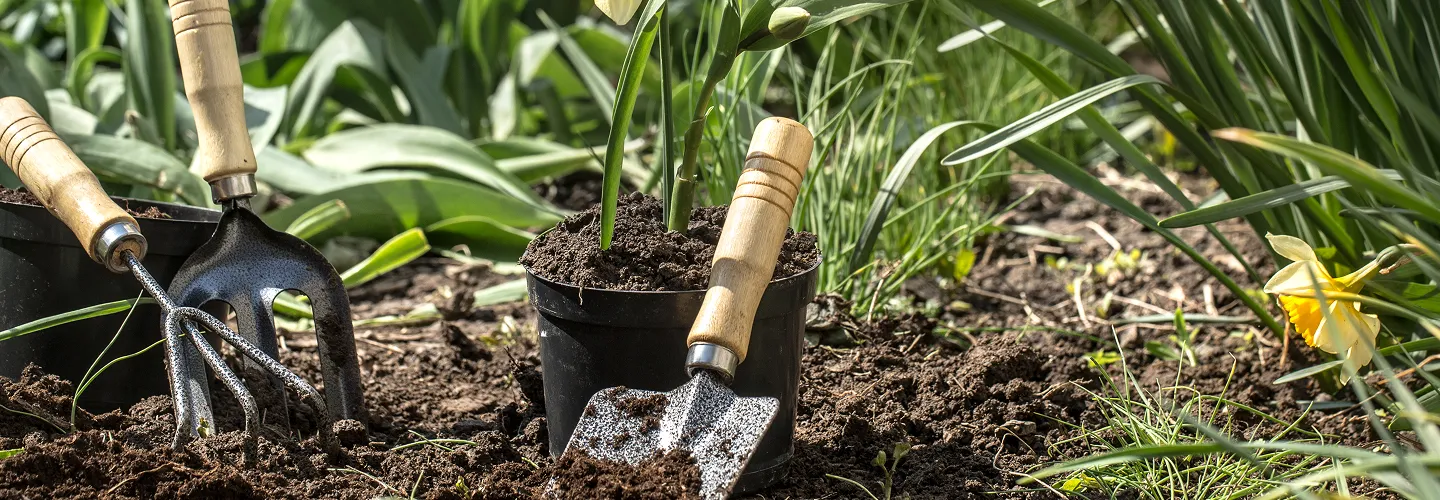
Fort Denaud Flower Bed Maintenance Services
Choose our Flower Bed Maintenance for expert care, vibrant blooms, and a hassle-free experience that keeps your garden looking its best season after season.
Get a Free QuoteOur Fort Denaud Landscaping & Yard Care Services
When to Schedule Flower Bed Maintenance in Fort Denaud, Florida – Seasonal Guide
In Fort Denaud, Florida, the timing of flower bed maintenance is closely tied to our unique subtropical climate and the specific needs of local landscapes. With mild winters and hot, humid summers, the best periods for comprehensive flower bed care are typically late winter through early spring and again in early fall. These windows allow for planting, mulching, and pruning before the intense summer heat or after the risk of frost has passed. Neighborhoods near the Caloosahatchee River and areas around Fort Denaud Bridge often experience higher humidity and occasional flooding, which can influence soil conditions and plant health.
Local environmental factors such as the region’s sandy soils, variable shade from mature oak canopies, and the potential for late-season droughts all play a role in determining the optimal maintenance schedule. Homeowners in communities like Riverbend Estates or along Fort Denaud Road should also be aware of municipal guidelines and seasonal water restrictions. For more information on local regulations, visit the official town website.
Local Factors to Consider for Flower Bed Maintenance in Fort Denaud
- Proximity to the Caloosahatchee River and flood-prone zones
- Tree density and shade coverage from native oaks and palms
- Soil type (sandy, well-draining, or clay-rich areas)
- Average precipitation and risk of late-summer drought
- Local frost dates, typically occurring in January or early February
- Municipal watering restrictions and landscape ordinances
- Terrain variations, especially in neighborhoods with sloped lots
Benefits of Flower Bed Maintenance in Fort Denaud

Enhanced Curb Appeal
Weed and Pest Prevention
Healthier Plant Growth
Seasonal Color Management
Professional Landscaping Expertise
Increased Property Value
Fort Denaud Flower Bed Maintenance Types

Seasonal Flower Planting
-
Weed Control Services
-
Mulching and Soil Conditioning
-
Pruning and Deadheading
-
Fertilization Programs
-
Pest and Disease Management
-
Irrigation System Maintenance
Our Flower Bed Maintenance Process
Site Evaluation
Weed Removal
Soil Cultivation
Mulching
Plant Health Inspection
Why Choose Fort Denaud Landscape Services
Fort Denaud Homeowners Trust Us
-
Local Expertise
-
Reliable Lawn Maintenance
-
Competitive Pricing
-
Professional Team
-
Satisfaction Guarantee
-
Personalized Service
-
Prompt Response Times
Coordinating Flower Bed Maintenance with Hendry County Public Works in Fort Denaud
Fort Denaud is an unincorporated community within Hendry County, meaning residents coordinate landscape-related services through county departments rather than a municipal government. For flower bed maintenance, the most relevant county coordination points involve vegetative debris disposal, swale and drainage-edge protection, and right-of-way upkeep. Property owners and managers maintaining flower beds along road frontages or near county drainage infrastructure should verify current yard waste collection procedures and ensure that organic debris—spent annuals, pulled weeds, old mulch—does not accumulate in swales, ditches, or canal banks adjacent to the Caloosahatchee River corridor.
- Vegetative debris from flower bed cleanouts should be separated from household waste and prepared according to Hendry County's current collection or drop-off requirements
- Flower bed maintenance near county-maintained swales or drainage ditches must not obstruct water flow or introduce soil, mulch, or fertilizer into drainage channels
- Property owners along county rights-of-way should confirm whether bed installations or modifications require coordination with county engineering or public works staff
Hendry County Public Works
Official Website: Hendry County Public Works
Hendry County Engineer
Official Website: Hendry County Engineer
How Fort Denaud's Inland Subtropical Climate and Soils Shape Flower Bed Performance
Fort Denaud sits in USDA Hardiness Zone 10a, within the South Florida inland subtropical belt along the Caloosahatchee River in Hendry County. This location produces conditions that directly affect flower bed establishment and ongoing maintenance. The USDA Plant Hardiness Zone Map confirms that Fort Denaud's minimum winter temperatures rarely threaten most tropical and subtropical bedding plants, but summer heat and humidity create intense stress on flowering annuals and perennials alike.
- Sandy, low-organic soils: Much of the Fort Denaud area features sandy flatwoods and river-influenced soils with limited organic matter and rapid drainage, which accelerates nutrient leaching from flower beds and demands consistent mulch replenishment
- High water table and flood sensitivity: Proximity to the Caloosahatchee River and surrounding agricultural drainage canals means seasonal water table fluctuations can saturate root zones during the wet season (June through October), requiring raised bed profiles or well-drained amendments in low-lying areas
- Intense summer rainfall and humidity: Average wet-season rainfall exceeding 35 inches promotes rapid weed germination, fungal pressure on bedding plants, and mulch decomposition, all of which increase maintenance frequency
- Heat radiation: Properties with adjacent driveways, walkways, or shell-rock surfaces experience reflected heat that stresses shallow-rooted annuals and accelerates irrigation demand
Residents can review local soil characteristics through the USDA Web Soil Survey to better understand drainage and amendment needs on individual parcels.
Navigating Fort Denaud's Regulatory Framework for Flower Bed Chemical Applications
Flower bed maintenance in Fort Denaud involves regulatory considerations at both the county and state level, particularly regarding fertilizer use, pesticide application, and stormwater protection. Florida Statutes §403.9337 establishes the model ordinance framework for Florida-Friendly fertilizer use on urban landscapes, and property owners should verify whether Hendry County has adopted a local fertilizer ordinance with seasonal application restrictions or buffer requirements near waterways.
- Any commercial applicator using restricted-use pesticides or herbicides in flower beds must hold valid certification through the Florida Department of Agriculture and Consumer Services
- Fertilizer and soil amendments applied near the Caloosahatchee River, adjacent canals, or county drainage ditches must follow buffer-zone practices to prevent nutrient runoff into surface waters, consistent with Florida DEP NPDES Stormwater Program requirements
- Hendry County's code enforcement division may address overgrown or neglected flower beds that create nuisance conditions or visibility obstructions along roadways
Hendry County Building and Code Enforcement
Official Website: Hendry County Building and Code Enforcement
Property owners uncertain about fertilizer timing restrictions or buffer requirements near waterways should contact county staff or consult the Florida-Friendly Fertilizer Ordinances App for current local adoption status.
Timing Flower Bed Maintenance Around Fort Denaud's Wet Season and Summer Heat Cycles
Professional flower bed maintenance in Fort Denaud follows seasonal rhythms dictated by the region's pronounced wet and dry seasons. Scheduling tasks correctly reduces plant loss, controls weed pressure, and protects irrigation investments.
- Deadheading and cleanup: Remove spent blooms every two to three weeks during the active growing season (March through November) to sustain flowering and reduce fungal habitat in humid conditions
- Mulch replenishment: Apply or refresh organic mulch to a depth of two to three inches during the transition from dry to wet season (late May through early June), before heavy rains accelerate decomposition and expose root zones
- Weed suppression: Hand-pull or spot-treat weeds before seed set, particularly after the first sustained wet-season rains when weed germination spikes; pre-emergent applications in beds should be timed before the spring flush
- Seasonal replanting: Transition cool-season annuals (such as petunias and snapdragons) out by mid-April before heat stress causes decline, and install warm-season selections (such as pentas, lantana, or vinca) once nighttime temperatures consistently exceed 65°F
- Irrigation emitter checks: Inspect drip lines and micro-spray emitters at the start of each season to confirm coverage, prevent dry spots, and avoid overwatering that promotes root rot in sandy soils
Guidance from UF/IFAS Gardening Solutions on protecting Florida's water resources applies directly to bed maintenance practices near Fort Denaud's canal and river systems.
What Neighborhoods Do We Serve Throughout Fort Denaud, FL?
- Fort Denaud proper: Properties along the Caloosahatchee River corridor often feature mature landscaping with established beds requiring regular mulch management and drainage-sensitive maintenance near riverbank areas
- SR 80 corridor residential areas: Homes along and adjacent to State Road 80 experience higher reflected heat from roadway surfaces, increasing irrigation demand for flower beds in front-yard installations
- Caloosahatchee Estates: Larger rural-residential lots in this area typically feature expansive bed spaces with mixed sun and shade exposure, requiring hydrozoning and species selection suited to partial canopy cover
- North Fort Denaud agricultural-residential parcels: Properties transitioning from agricultural use often have compacted or nutrient-depleted soils that benefit from organic amendment and raised bed profiles for ornamental plantings
- Riverside ranchette properties: Lots with direct canal or river frontage require careful fertilizer and mulch management to prevent nutrient migration into adjacent waterways during wet-season runoff events