
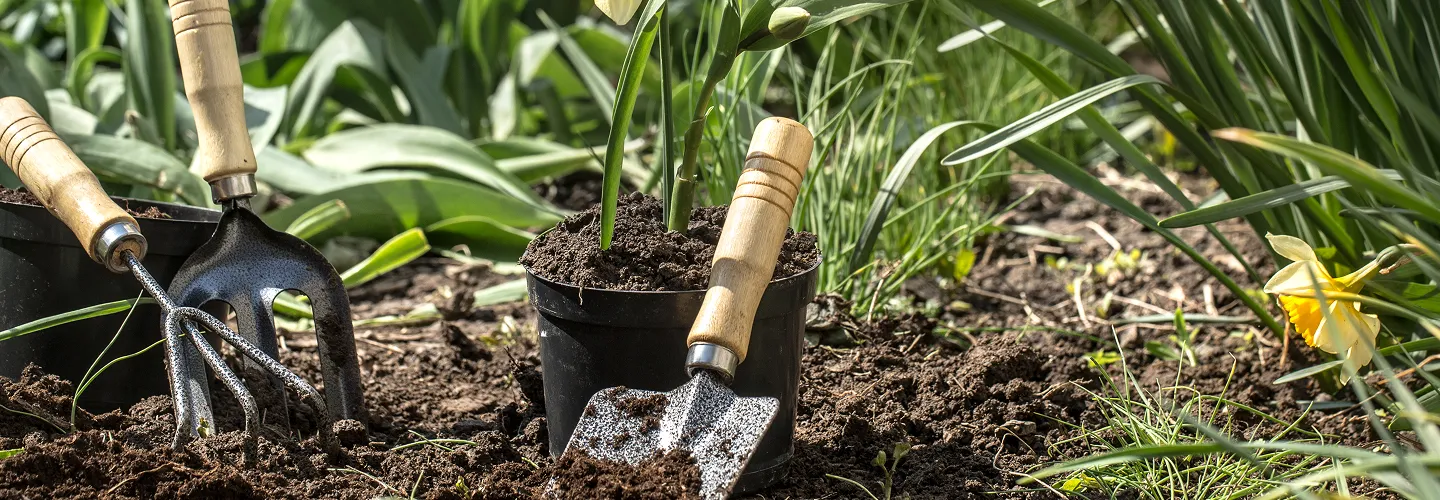
Fort Denaud Pruning Services
Choose our professional pruning services for precise, reliable care that enhances your landscape’s beauty, promotes healthy growth, and protects your property for years to come.
Get a Free QuoteOur Fort Denaud Landscaping & Yard Care Services
When to Schedule Pruning in Fort Denaud, Florida – Seasonal Guide
In Fort Denaud, Florida, the best time to schedule pruning is typically during the late winter to early spring months, just before new growth begins. This timing takes advantage of the region’s mild winters and helps minimize stress on trees and shrubs, especially in neighborhoods near the Caloosahatchee River and the historic Fort Denaud Bridge. Local weather patterns, such as the risk of late frosts in January and February, should be considered to avoid damaging tender new shoots.
Humidity levels and the potential for summer droughts also play a significant role in determining the optimal pruning window. Properties in shaded areas like those along River Road or near the Denaud Community Park may require different approaches compared to open, sun-exposed lots. Soil type, which can vary from sandy near the riverbanks to richer loam inland, further influences plant health and recovery after pruning. For more information on local environmental guidelines, visit the Sudbury municipal resource.
Local Factors to Consider for Pruning in Fort Denaud
- Tree and shrub density on your property
- Terrain and proximity to water sources like the Caloosahatchee River
- Seasonal precipitation and humidity fluctuations
- Local frost dates and drought risk
- Shade coverage from mature oaks or palms
- Soil composition (sandy vs. loamy)
- Municipal restrictions or HOA guidelines
Benefits of Pruning in Fort Denaud

Enhanced Plant Health
Improved Curb Appeal
Increased Sunlight Exposure
Disease Prevention
Professional Expertise
Customized Landscaping Solutions
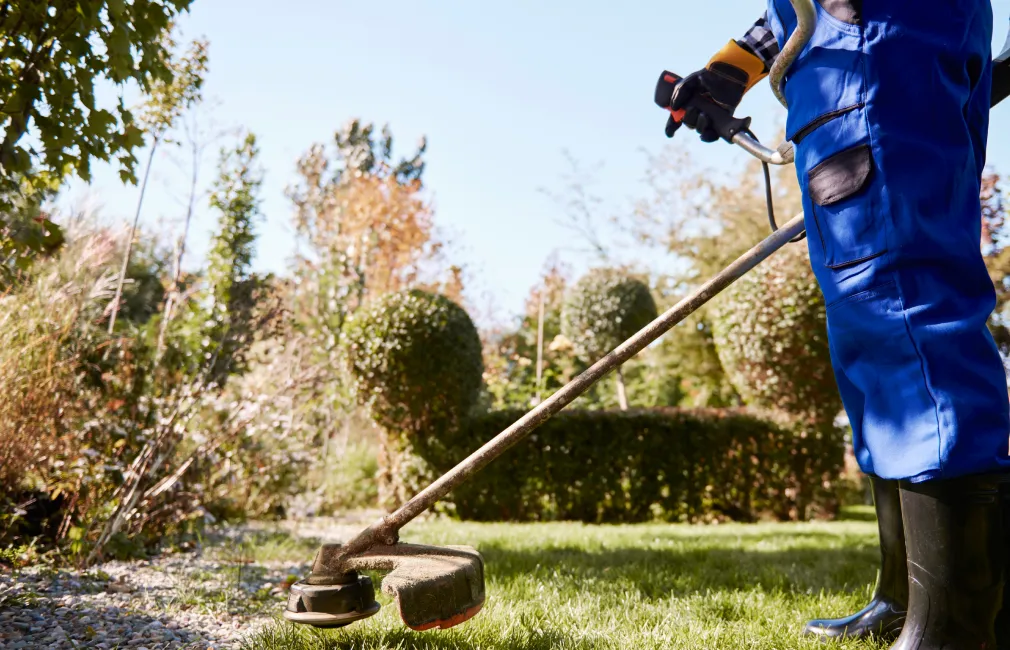
Fort Denaud Pruning Types

Crown Thinning
-
Crown Raising
-
Crown Reduction
-
Deadwooding
-
Formative Pruning
-
Pollarding
-
Vista Pruning
Our Pruning Process
Site Evaluation
Plant Selection
Strategic Cutting
Debris Removal
Why Choose Fort Denaud Landscape Services
Fort Denaud Homeowners Trust Us
-
Local Expertise
-
Reliable Lawn Maintenance
-
Competitive Pricing
-
Professional Team
-
Satisfaction Guarantee
-
Personalized Service
-
Prompt Response Times
Coordinating Pruning Debris and Right-of-Way Clearance in Fort Denaud
Fort Denaud is an unincorporated community within Hendry County, which means pruning-related coordination—including vegetative debris disposal, right-of-way clearance, and drainage protection—falls under county-level departments rather than a municipal government. Property owners and managers should coordinate with Hendry County Public Works regarding the handling and removal of pruning debris, particularly branches and limbs generated near county-maintained roads, swales, and drainage ditches. Pruning work that affects sight lines along roadways or encroaches into utility easements may require advance coordination with the county engineer's office to avoid conflicts with infrastructure or traffic safety.
- Vegetative debris from pruning should be kept out of swales, canal banks, and roadside drainage structures to prevent blockages during wet-season storms.
- Property owners along county-maintained rights-of-way should verify clearance requirements before pruning overhanging limbs that extend into the travel corridor.
- Large-scale pruning projects generating significant brush volume should confirm current disposal or pickup procedures through the county.
Hendry County Public Works
P.O. Box 2340, LaBelle, FL 33975
Official Website: Hendry County Public Works
For questions about tree-related matters on rural or agricultural parcels, the Florida Forest Service maintains a county forester directory that can connect Fort Denaud residents with regional forestry assistance.
How Fort Denaud's Subtropical Inland Climate Shapes Pruning Decisions
Fort Denaud sits in USDA Hardiness Zone 10a, within the interior subtropical lowlands of southwest Florida along the Caloosahatchee River. The area's climate and landscape create specific conditions that directly influence pruning timing, technique, and urgency.
- Intense wet-season growth: From late May through October, heavy rainfall and high humidity drive rapid canopy expansion in species such as live oak, sabal palm, gumbo limbo, and tropical fruit trees, often requiring more frequent structural pruning cycles than drier regions.
- Sandy, poorly drained soils: Much of the Fort Denaud area features flatwoods and river-adjacent soils with limited internal drainage and seasonal high water tables, which can weaken root anchorage and make storm-damaged limbs more likely on saturated sites.
- Hurricane and storm-season exposure: Pruning for wind resistance is critical before the June-through-November hurricane season; improperly pruned trees with heavy end-weight or co-dominant stems are more vulnerable to failure during high-wind events.
- Fungal and pest pressure: Warm, humid conditions promote the spread of decay fungi through open pruning wounds, making sanitation of cutting tools and proper wound timing essential to tree health.
Residents can reference the USDA Plant Hardiness Zone Map to confirm zone-specific species suitability before selecting replacement plantings after major pruning or removal.
Navigating Hendry County's Code and Permit Framework for Pruning Projects
Because Fort Denaud is unincorporated, Hendry County's land development regulations and code enforcement standards govern pruning-related compliance. Property owners should be aware of the following regulatory considerations:
- Pruning or removal of trees within designated conservation easements, wetland buffers, or floodplain areas may trigger county review through the planning department; verify current land-use restrictions before beginning work on parcels near the Caloosahatchee River or adjacent canal systems.
- Hendry County Building and Code Enforcement addresses nuisance vegetation, overgrowth complaints, and frontage visibility issues that may require corrective pruning on residential or commercial properties.
- Any pruning work involving pesticide application for disease management—such as treating citrus canker or sooty mold—must be performed by or under the supervision of a Florida-licensed pesticide applicator, as required under Chapter 487 of the Florida Statutes.
- Pruning debris must not be deposited into canals, retention areas, or stormwater conveyances; the Florida DEP NPDES Stormwater Program establishes discharge protections that apply to vegetative material entering surface waters.
Hendry County Building and Code Enforcement
Official Website: Hendry County Building and Code Enforcement
Hendry County Planning
Official Website: Hendry County Planning
Property owners uncertain about whether their parcel falls within a regulated overlay or buffer zone should contact the planning department before initiating large-scale canopy reduction.
Timing and Technique Standards for Pruning in Fort Denaud's Growing Seasons
Professional pruning in Fort Denaud should follow species-specific timing and technique standards adapted to the area's extended growing season and storm exposure. Not all trees and shrubs follow the same pruning calendar, and improper timing can increase disease susceptibility or reduce flowering.
- Structural pruning for wind resistance should be completed before June 1 each year, targeting co-dominant leaders, crossing branches, and deadwood that could become projectiles during tropical storms.
- Flowering trees and shrubs such as crape myrtle, hibiscus, and bougainvillea should be pruned after their primary bloom cycle to avoid removing developing flower buds; verify the bloom period for each species before scheduling cuts.
- Palms should only have fully brown, dead fronds removed; over-pruning of green fronds weakens the palm and is discouraged by UF/IFAS extension guidance.
- Sanitation between cuts is essential when working with species susceptible to bacterial or fungal infection; tools should be disinfected between trees, particularly when pruning citrus or oaks during warm, humid months.
- Avoid heavy pruning during peak wet season (July through September) when wound closure is slowest and fungal spore loads are highest in the Fort Denaud area's humid subtropical air.
Cuts should follow ANSI A300 pruning standards, preserving the branch collar and avoiding flush cuts or topping, which compromise long-term tree structure and health.
What Neighborhoods Do We Serve Throughout Fort Denaud, FL?
- Fort Denaud proper — Properties along the Caloosahatchee River corridor often feature mature live oaks and native hardwoods requiring periodic structural pruning for storm readiness and canopy management over structures.
- Riverside Estates area — Larger rural-residential lots with mixed citrus and ornamental plantings benefit from species-specific pruning schedules adapted to the area's sandy, seasonally saturated soils.
- SR 80 corridor parcels — Properties fronting State Road 80 must maintain sight-line clearance along the right-of-way, and overhanging limbs may require coordination with county road maintenance standards.
- North Fort Denaud agricultural edges — Parcels transitioning between agricultural use and residential development often contain volunteer growth and overgrown hedgerows that require clearing and corrective pruning for code compliance.
- Caloosahatchee River setback properties — Homes and lots adjacent to the river or its associated canal network should prioritize pruning that preserves root stability on banks and prevents debris from entering waterways.